Definition
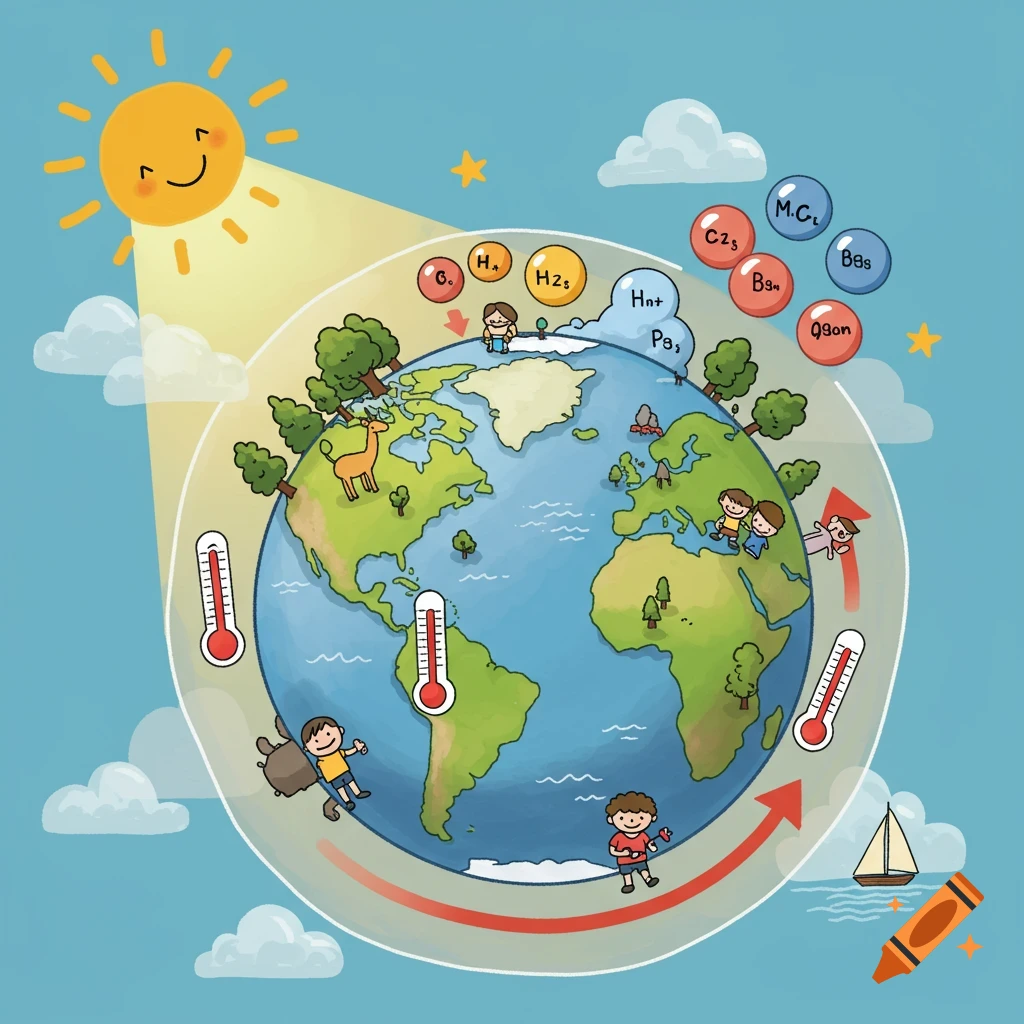
Our interactive learning resource is about climate change and how to get youth to think about its causes and effects in such a way that they are concerned yet hopeful about the issue.
To explore this concept, we broke the learning resource into four modules:
- What are Greenhouse Gases
- What are the causes of climate change
- What are the impacts of climate change
- What can be done to reduce your impact
By following these modules, we will be able to explore climate change and how to get youth to think about its causes and effects in such a way for them to be concerned yet hopeful about the issue. First, focusing on what is causing the overall changes in average global temperatures will allow for learners to explore greenhouse gases like carbon dioxide, methane, and water vapour trapping energy in our atmosphere (Jadhav, Raut & Mondal, 2025).
The changes in temperature due to natural and human causes will have unprecedented impacts on the world. Following this up with how these impacts will affect plants and animals to provide real-world and tangible examples to complement the introductory lesson and to show learners what is to come.
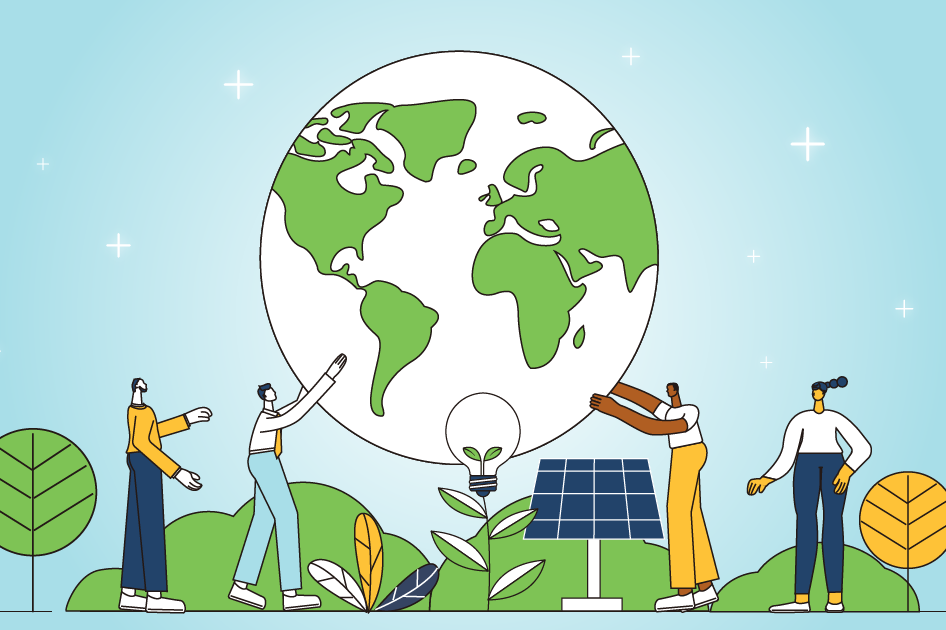
To conclude this learning resource, we thought it would be beneficial to highlight some positives that are coming out of climate initiatives, particularly community resilience and improved relationships with nature (Butt, 2025 & Calheiros & Vasconcelos, 2022).
Learning Context/Audience – kr
The targeted audience for this lesson would be high school students (grades 9-10), typically aged between 14 and 16, who are enthusiastic to learn more about environmental science and global issues. The learner should have a basic science background, such as knowledge about what gases, ecosystems, and human impacts on nature are. This learning resource is designed to support all the students with different needs by using great video references and simple explanations to help them understand what climate change is and how they can take a small step towards it to control it.
